


Deposit Claims
We are committed to our property owners and their investments and will do everything in accordance with the laws to make the proper claims on tenant security deposits to avoid costly litigation.
Deposit Claims Explained
We would like to emphasize the critical importance of conducting proper deposit claims when managing your rental property. Ensuring that we have accurate documentation of the property’s condition before and after a tenant’s occupancy is not only a best practice but also a legal necessity and that is why we reserve the right to make all deposit claims on behalf of our owners.
Here are some key aspects to consider:
Accurate Documentation of Property Condition:
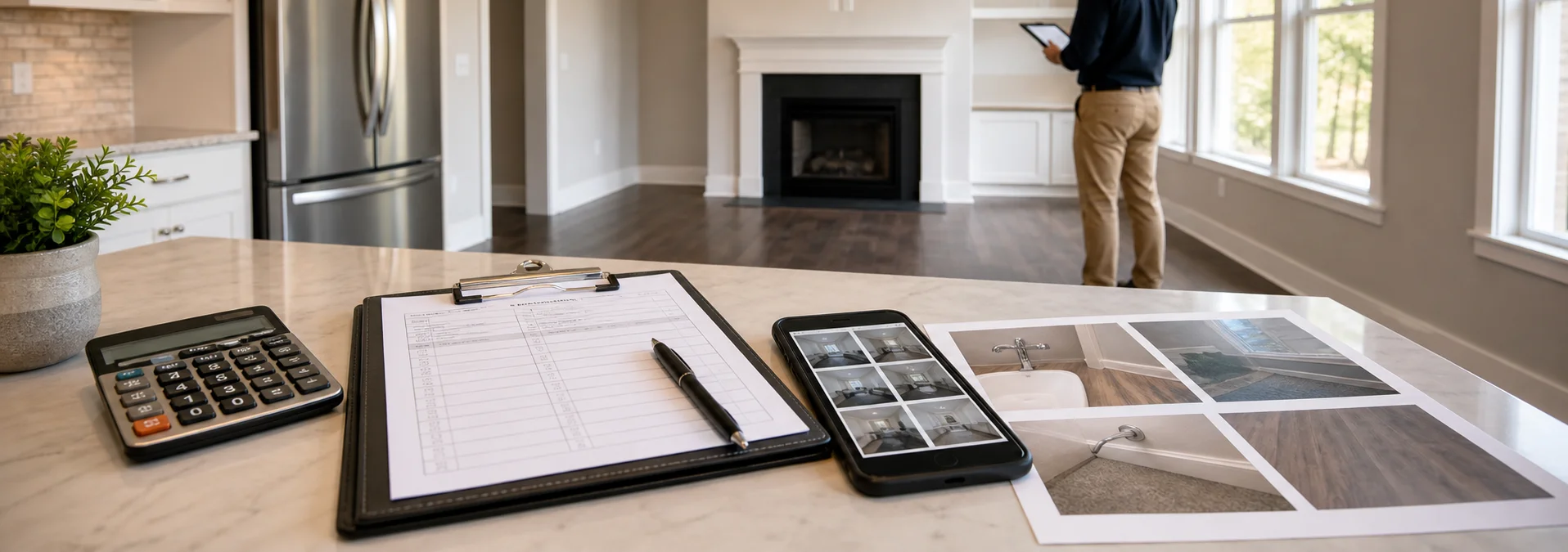
- Pre-Occupancy Inspection: We conduct a thorough inspection of the property before a new tenant moves in and document the condition of all aspects of the home, including paint, flooring, appliances, fixtures, and any existing damages. We support this with detailed notes, photographs, and videos.
- Post-Occupancy Inspection: We perform another comprehensive inspection after the tenant moves out. Compare the condition of the property to the pre-occupancy documentation to identify any new damages or excessive wear and tear.
Importance of Proper Documentation:
- Evidence in Disputes: Proper documentation serves as crucial evidence if a tenant disputes a deposit claim. Clear, dated records of the property’s condition before and after tenancy can help resolve disputes efficiently and fairly.
- Legal Protection: In the event of a legal dispute, detailed documentation can protect you from unfounded claims and demonstrate that any deductions from the deposit are justified and comply with the law and guidelines.
Adherence to Florida Statutes and HUD Guidelines:
- Florida Statutes: According to Florida law, landlords must follow specific procedures for handling security deposits, including providing an itemized list of damages and repair costs / receipts within a specified timeframe. Failure to comply can result in legal penalties and the forfeiture of your right to make any claims on the deposit.
- HUD Guidelines: The U.S. Department of Housing and Urban Development (HUD) provides guidelines on the expected lifespan of items such as paint, carpeting, and flooring. For example, paint is typically expected to last three years, and carpet up to five years. Any claims for damages must take these lifespans into account to avoid unjustified charges.
Consequences of Incorrect Claims:
- Legal Consequences: Incorrect or unjustified deposit claims can lead to legal actions against you. Tenants may file lawsuits, and you could be required to return the disputed amount along with additional penalties and legal fees.
- Reputation Damage: Mishandling deposit claims can harm our reputation as a landlord. Negative reviews and word-of-mouth can make it difficult to attract and retain good tenants in the future.
Best Practices for Proper Deposit Claims:
- Standardized Forms: We use standardized inspection forms to ensure consistency in documenting the property’s condition.
- Tenant Acknowledgment: The tenants acknowledge and sign the inspection reports to confirm their agreement with the documented conditions.
- Timely Communication: We communicate any deposit claims and provide itemized lists of damages and associated costs promptly as required by Florida statutes.
In conclusion, performing proper deposit claims with accurate and thorough documentation is essential in managing a rental property. It ensures compliance with legal requirements, protects against disputes, and maintains a positive relationship with your tenants. By following these practices, we can avoid legal complications and uphold your reputation as a fair and responsible landlord.
Please feel free to reach out if you have any questions or need further assistance